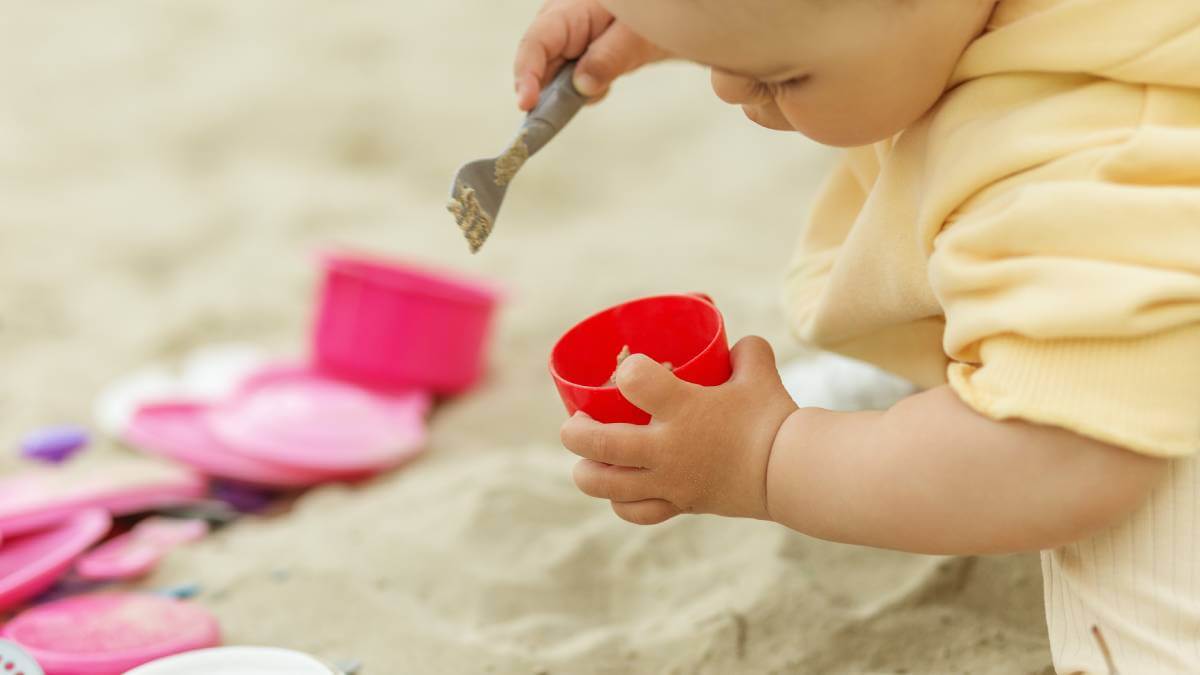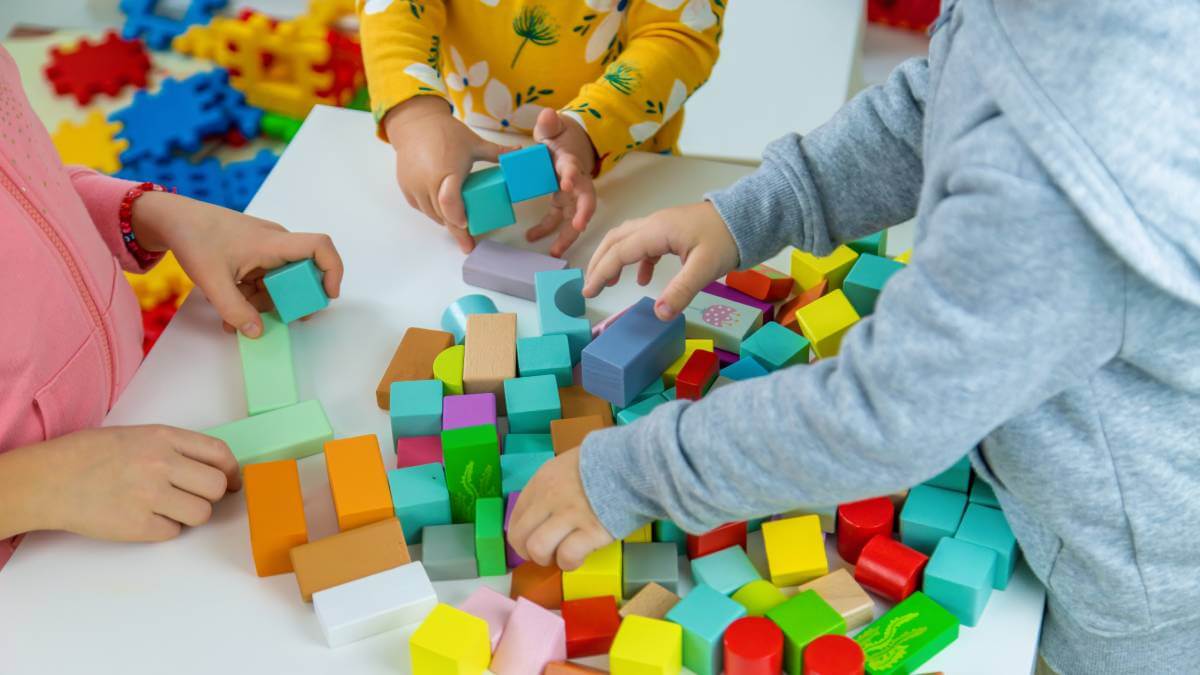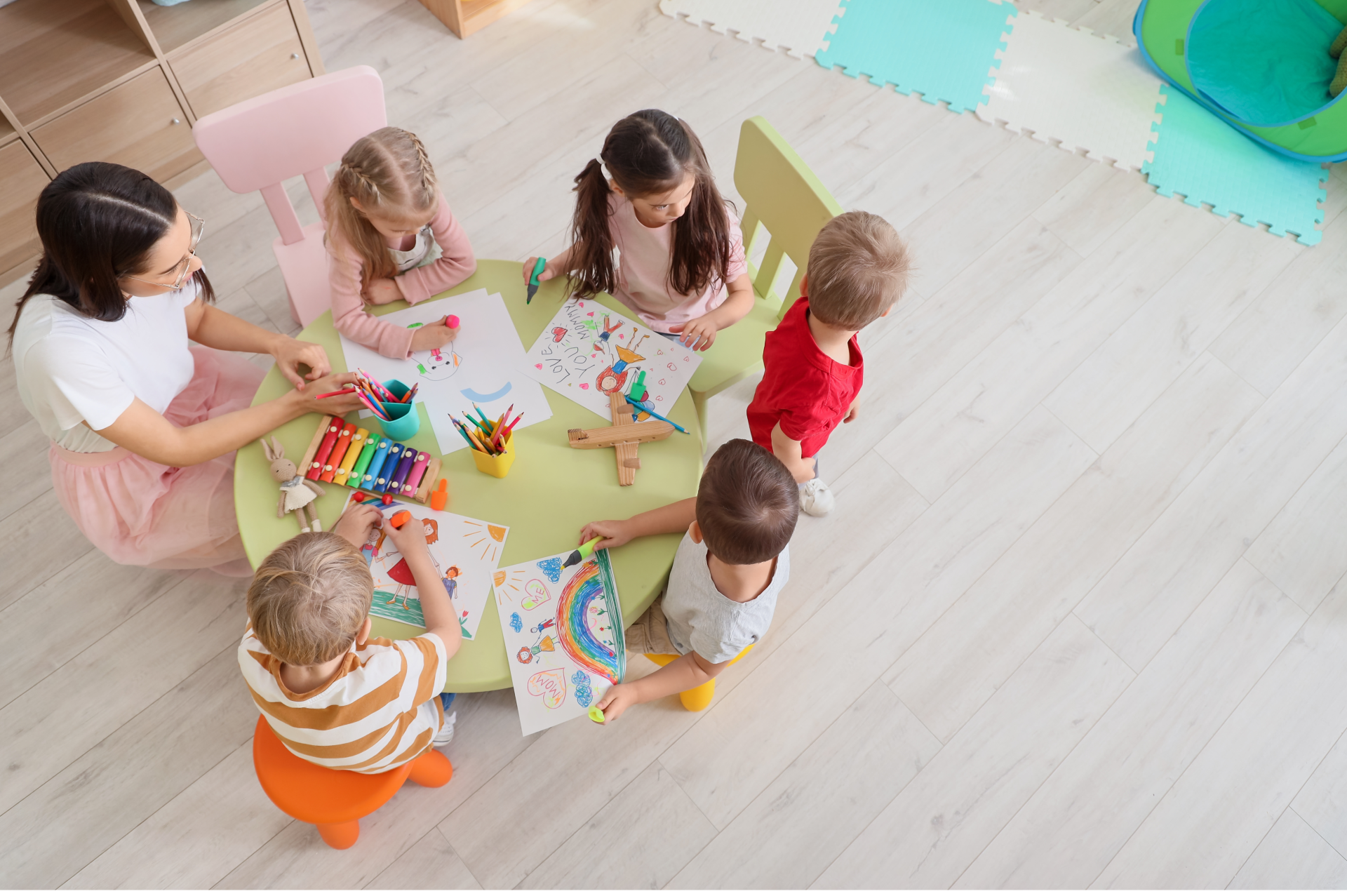

Have you ever noticed how quickly a young child can become absorbed in something seemingly simple? A puddle after the rain, a handful of sand, the sound of leaves rustling in the wind, or even the feel of paint between their fingers can hold their attention for far longer than most toys.
While these moments may look like ordinary play, they are often some of the most valuable learning experiences a child can have.
From the moment they are born, children begin exploring the world through their senses. Before they can read, write, or even speak, they learn by touching, listening, watching, tasting, smelling, moving, and experimenting. Every new experience helps them build an understanding of the world around them and their place within it.
This natural process of discovery is known as sensory play.
In early years education, sensory play is recognised as an important part of children’s development. It gives them opportunities to investigate new materials, test ideas, solve problems, and develop confidence through hands-on experiences. More importantly, it allows children to learn in a way that feels enjoyable and meaningful to them.
At our nurseries in St Albans, Hemel Hempstead and the surrounding areas, we know that children learn best when they are actively involved in their own discoveries. Whether they are exploring natural materials outdoors, experimenting with water, or investigating different textures and sounds, sensory experiences help create the foundations for future learning.
In this guide, we’ll explore what sensory play is, why it matters, the benefits it can have for young children, and some simple sensory play ideas that can be enjoyed at different stages of development.
What Is Sensory Play? – Everything Worth Knowing
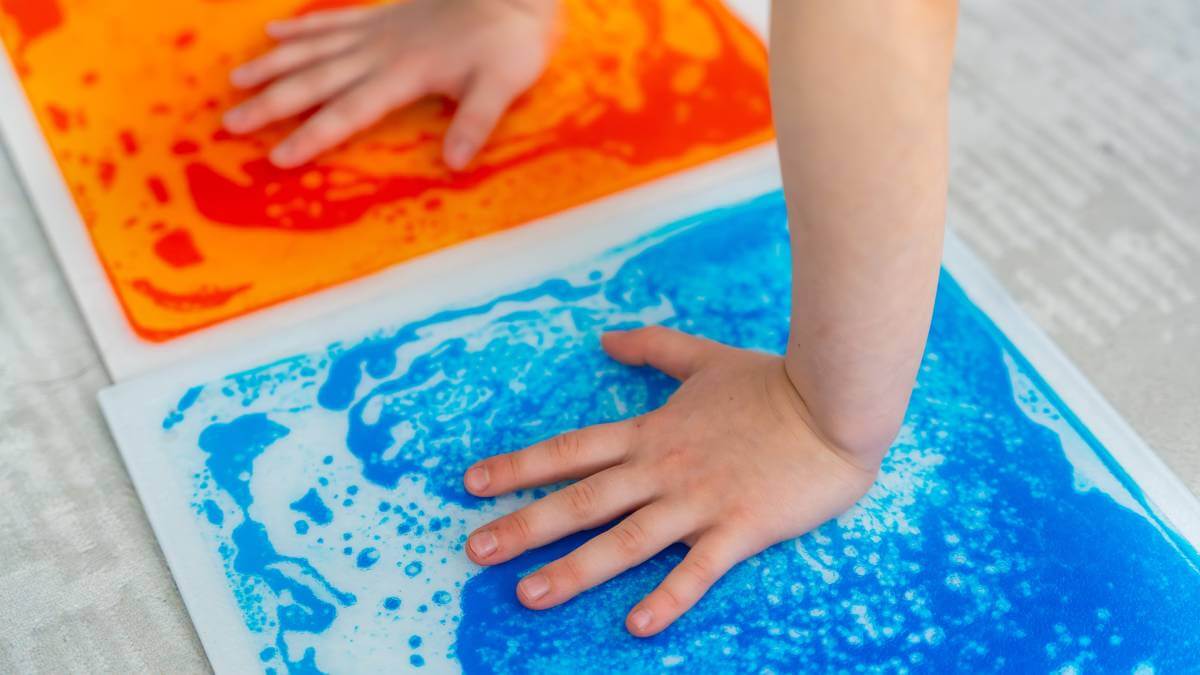
Sensory play often involves activities such as sand trays, water play, messy play, and exploring different textures. While these are certainly examples of sensory experiences, sensory play is much broader than many people realise.
In fact, sensory play can happen almost anywhere.
A baby reaching out to touch a new object, a toddler splashing in a puddle, or a preschooler mixing ingredients while baking are all engaging in sensory learning. These experiences encourage children to investigate their surroundings and learn through direct interaction rather than solely through observation.
For young children, this type of exploration is particularly important. Their understanding of the world develops through experiences they can see, hear, touch, smell, taste, and engage with physically. Each new discovery helps them make connections, ask questions, and build confidence in their own abilities.
Throughout this article, we’ll look at:
- What Sensory Play Actually Means
- Why Is It Such An Important Part Of Child Development
- Sensory Play Ideas
- How Sensory Play Supports Early Years Learning
- Frequently Asked Questions About Sensory Play
Understanding the value of sensory play can help parents and educators create meaningful opportunities for children to explore, learn, and thrive.
Sensory Play Meaning
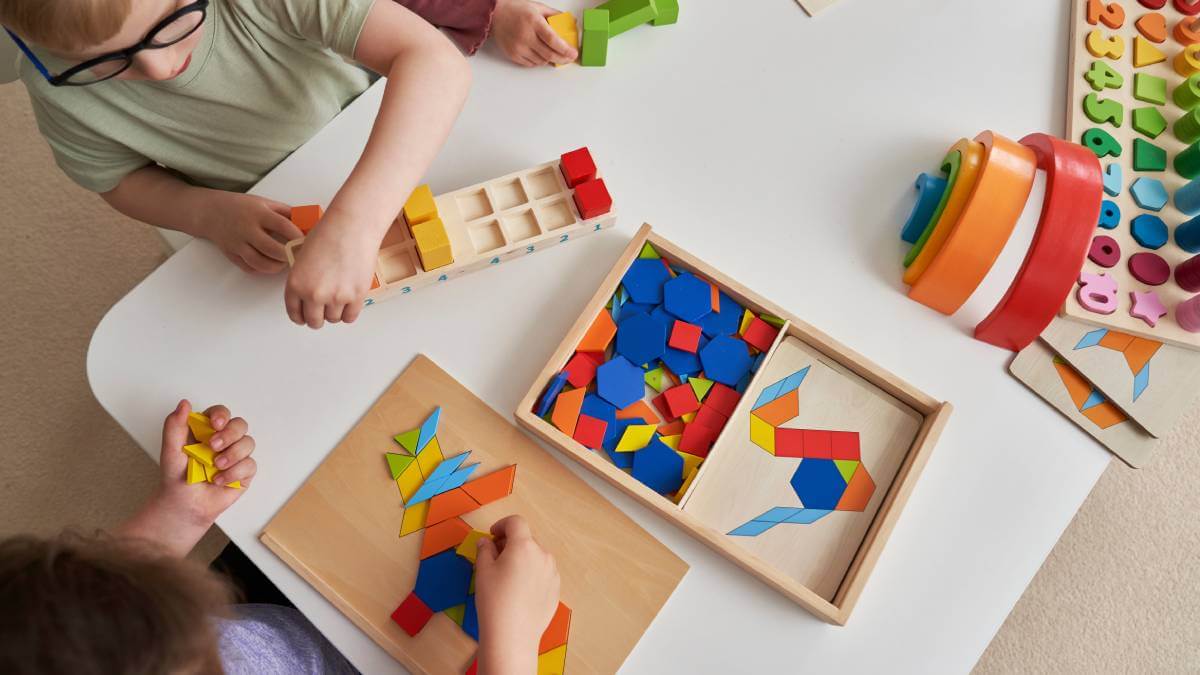
At its simplest, sensory play is any activity that engages a child’s senses. Most people are familiar with the five traditional senses:
- Touch
- Sight
- Hearing
- Smell
- Taste
However, sensory development also includes two additional senses that play an important role in childhood learning and development.
The first is the vestibular sense, which relates to movement and balance. This is what children use when they spin, climb, jump, swing, or run.
The second is proprioception, which helps children understand where their body is in space and how it moves. Activities such as lifting, pushing, pulling, climbing, and crawling all support this important sensory system.
When children engage in sensory play, they often use several senses at once.
Think about a child making mud pies in a mud kitchen. They can feel the texture of the mud, smell the earth, listen to the sounds around them, watch how the materials change when water is added, and use their muscles to scoop, carry, and mix. What appears to be a simple activity is actually providing a rich learning experience that engages multiple areas of development.
This is one of the reasons sensory play is so highly valued in early years education.
Rather than being told how something works, children are given opportunities to discover it for themselves.
They learn that water flows, sand can be moulded, ice melts, and leaves crunch. They begin to understand cause and effect, make predictions, and develop curiosity about the world around them.
Importantly, sensory play is not about achieving a specific outcome. There is no right or wrong way for a child to explore a sensory activity. The value comes from the process itself.
Some children may spend 10 minutes pouring water from one container to another. Others may be fascinated by the sound it makes or how it reflects light. Each child will engage differently depending on their interests, stage of development, and individual personality.
This freedom to explore without pressure often leads to some of the most meaningful learning experiences.
Benefits Of Sensory Play On Child Development
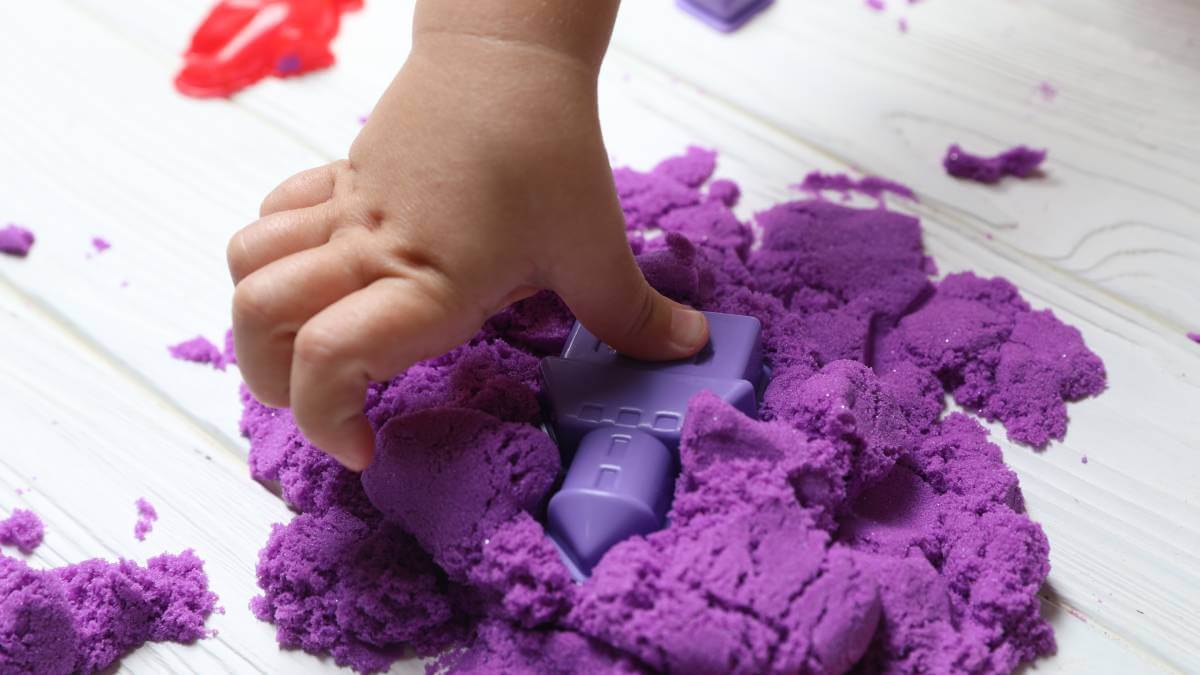
The benefits of sensory play reach far beyond keeping children entertained. While sensory activities are often enjoyable, they also support many areas of development that are important throughout childhood.
Supports Early Brain Development
The early years are a period of rapid brain development.
Every experience a child has helps shape the connections within their developing brain. The more opportunities children have to explore, investigate, and experiment, the stronger those connections become.
Sensory play provides exactly these kinds of experiences.
When children touch different materials, listen to new sounds, observe changes, or explore movement, their brains are constantly processing information. Over time, these experiences help children make sense of their surroundings and develop a stronger understanding of how the world works.
Builds Communication And Language Skills
Many parents are surprised to learn how closely sensory play is linked to language development.
When children explore sensory materials, they naturally begin learning new vocabulary.
Words such as rough, smooth, cold, sticky, heavy, soft, wet, and crunchy become meaningful because children can directly connect them to an experience.
Sensory activities also create opportunities for conversation.
An adult might ask:
“What does that feel like?”
“Can you hear that sound?”
“What do you think will happen if we add more water?”
These simple interactions encourage children to think, respond, and develop their communication skills in a natural way.
Over time, these conversations help children build confidence in expressing themselves and sharing their ideas.
Encourages Fine And Gross Motor Development
Many sensory activities involve physical movement.
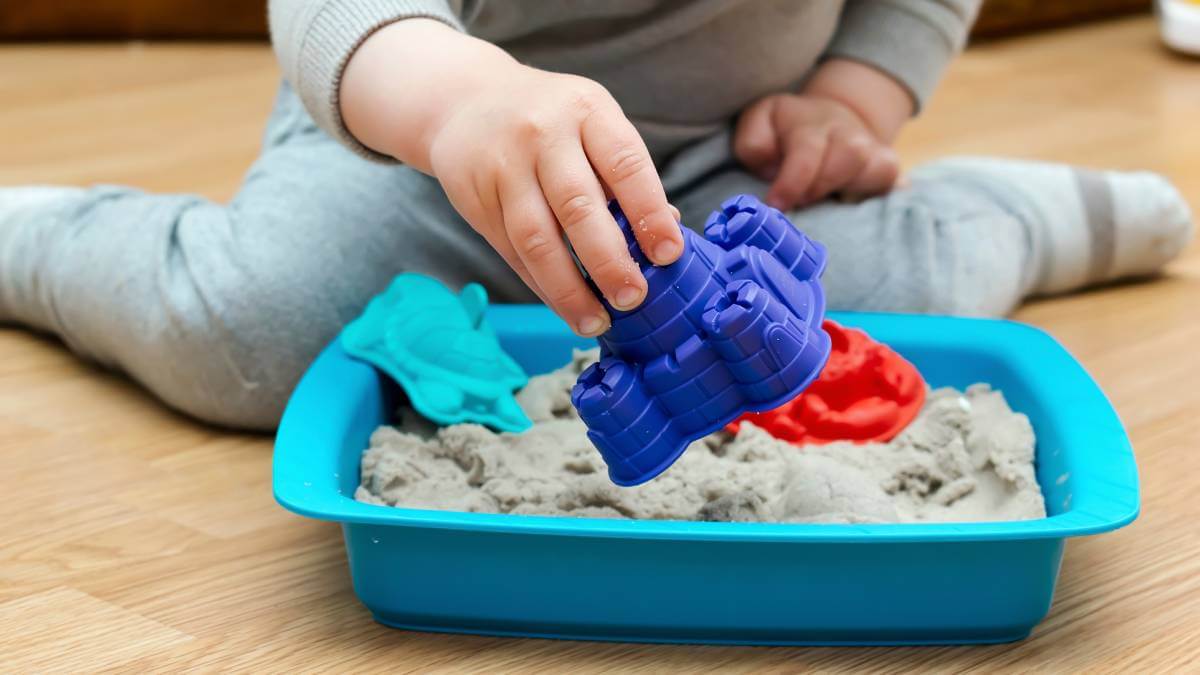
Simple actions such as squeezing playdough, picking up small objects, pouring water, or using scoops and tongs help strengthen the small muscles in children’s hands and fingers.
These skills later support tasks such as writing, drawing, fastening buttons, and using cutlery independently.
At the same time, larger sensory experiences involving climbing, balancing, crawling, digging, and running contribute to gross motor development and overall physical coordination.
Because children are focused on play rather than practice, they often develop these skills without even realising they are learning.
Supports Emotional Wellbeing
Sensory experiences can also play an important role in helping children manage their emotions.
Many children find repetitive sensory activities calming and reassuring. Watching water flow, rolling playdough, digging in soil, or running their hands through sand can help children relax and focus.
For some children, sensory play provides a way to process feelings that they may not yet have the words to explain.
This is one reason sensory experiences are often incorporated into nurturing early years environments. They can provide moments of calm, comfort, and regulation throughout a busy day.
For some children, sensory play provides a way to process feelings that they may not yet have the words to explain. NSPCC explain that sensory experiences are often incorporated into nurturing early years environments. They can provide moments of calm, comfort, and regulation throughout a busy day.
Encourages Curiosity And Problem Solving
Young children are naturally curious.
They want to know what happens when they mix colours, pour water, build towers, or investigate unfamiliar materials.
Sensory play allows them to test ideas and discover answers through first-hand experiences. Rather than simply being given information, children are encouraged to ask questions, make predictions, and experiment for themselves.
These early problem-solving experiences help build confidence, resilience, and independent thinking skills that continue to benefit children as they grow.
Sensory Play Ideas
One of the best things about sensory play is that it doesn’t need to be complicated. Many sensory experiences happen naturally throughout the day, whether children are exploring outdoors, helping in the kitchen, or playing with everyday materials.
As children grow, the way they engage with sensory play changes. Activities can be adapted to suit different ages and stages, helping children continue to learn through exploration and discovery.
Sensory Play For Babies
Babies learn about the world through their senses from the moment they are born. Simple sensory experiences can help support their development while encouraging curiosity.
Some sensory play ideas for babies include:
- Exploring different textures with fabric books, sensory balls, and soft toys.
- Looking at reflections during mirror play.
- Listening to songs, nursery rhymes, and everyday sounds.
- Spending time outdoors experiencing fresh air, natural light, and different sights and sounds.
These simple experiences help babies begin making sense of the world around them.
Sensory Play For Toddlers
Toddlers are naturally curious and often enjoy hands-on activities that allow them to experiment and investigate.
Popular sensory play ideas for toddlers include:
- Water play with cups, jugs, and funnels.
- Exploring playdough through rolling, squeezing, and shaping.
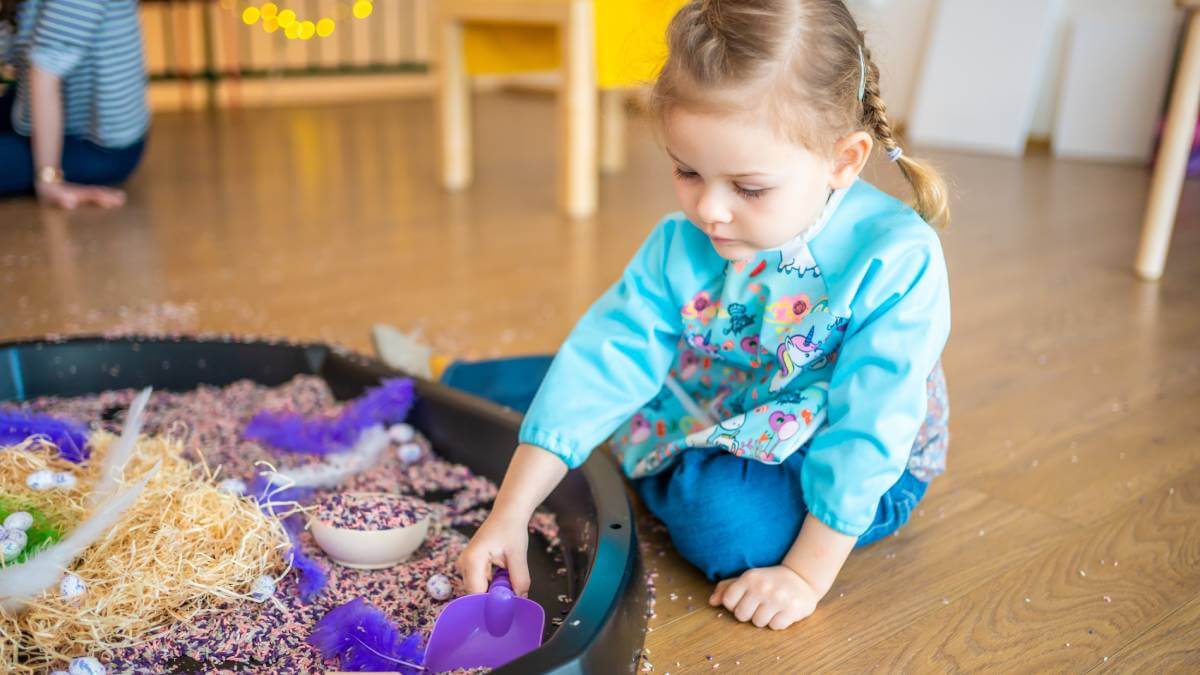
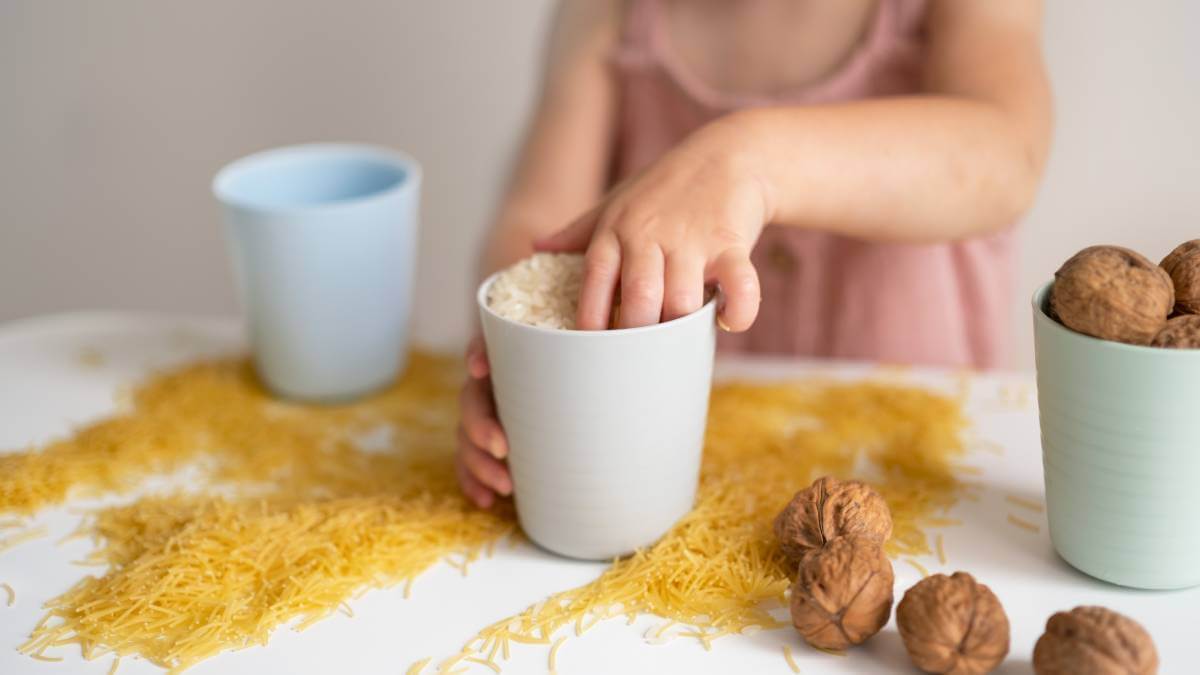
- Sensory trays are filled with materials such as rice, oats, or sand.
- Mud kitchen activities using natural materials found outdoors.
These activities encourage creativity while helping toddlers develop coordination, concentration, and confidence.
Sensory Play For Preschoolers
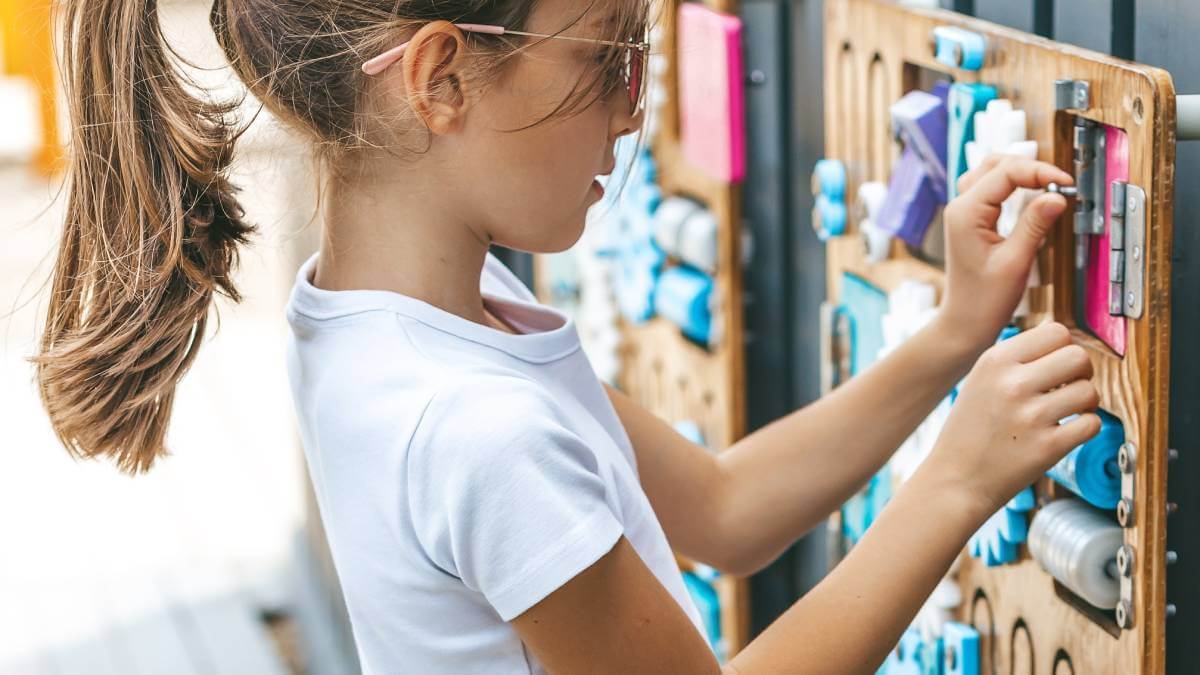
As children get older, sensory play can become more challenging and imaginative. Ideas for preschool-aged children include:
- Nature hunts using leaves, stones, flowers, and other natural materials.
- Simple cooking and baking activities.
- Colour-mixing and science experiments.
- Obstacle courses that encourage movement, balance, and coordination.
These experiences help preschoolers develop problem-solving skills, independence, and a greater understanding of the world around them.
How Sensory Play Supports Early Years Learning
Sensory play may look simple on the surface, but it plays an important role in helping children develop many of the skills they need as they grow.
Through sensory experiences, children learn to communicate, solve problems, build relationships, and develop confidence in their own abilities. They begin to understand how things work, learn to manage their emotions, and become more comfortable exploring new ideas and environments.The NHS Child Development guide explains that these early experiences contribute to many aspects of child development, helping children build important skills that support their learning both now and in the future.
This is why sensory play forms such an important part of early years education. Rather than sitting and being taught, children are given opportunities to investigate, experiment, and discover for themselves. These experiences help make learning meaningful because they are shaped by a child’s natural curiosity and interests.
At Flower Pots, our educators understand that every child learns differently. Some children enjoy getting hands-on with messy play, while others may be drawn to music, movement, nature, or creative activities. By providing a wide range of sensory experiences, we create opportunities for children to learn in ways that feel engaging, enjoyable, and relevant to them.
Sensory play also supports many areas of the Early Years Foundation Stage (EYFS), including communication and language, physical development, personal, social and emotional development, and understanding the world.
These foundations help prepare children for future learning while ensuring they continue to enjoy the process of discovery.
For many families exploring nurseries in Hemel Hempstead and the surrounding areas, opportunities for hands-on learning are an important consideration when choosing an early years setting. Sensory play helps create an environment where children can explore confidently, develop independence, and build the skills they will carry with them throughout their education.
Frequently Asked Questions About Sensory Play
Sensory play can begin from birth. Babies naturally explore the world through their senses, and even simple experiences such as listening to music, feeling different textures, or spending time outdoors can support their development.
Is sensory play always messy?
Not at all. While activities such as water play, painting, or mud kitchens can be messy, sensory play can also include listening to sounds, exploring nature, reading sensory books, or investigating different textures. There are plenty of low-mess sensory activities that children enjoy just as much.
How often should children take part in sensory play?
Sensory experiences can be part of everyday life. Whether children are helping with baking, exploring outdoors, playing with water, or investigating natural materials, regular opportunities for sensory exploration help support ongoing development.
What are the seven senses?
Most people are familiar with the five senses: sight, hearing, touch, smell, and taste. However, sensory development also includes the vestibular sense, which helps with balance and movement, and proprioception, which helps children understand where their body is in space.
Can sensory play help with communication skills?
Yes. Sensory activities naturally encourage conversation, questioning, and exploration. As children describe what they can see, hear, feel, and experience, they continue to develop their vocabulary and communication skills. BBC advise that many simple sensory activities can also help support early speech and language development by creating opportunities for meaningful interactions between children and adults.
Why is sensory play important in early years education?
Sensory play helps children learn through direct experiences. It supports a wide range of developmental areas, including communication, physical skills, emotional well-being, creativity, and problem-solving, making it a valuable part of early childhood learning.
Discovering The World Through Sensory Play
Sensory play is far more than a fun activity to keep children occupied. It is one of the ways young children begin to understand the world around them.
Whether they are exploring textures, listening to new sounds, investigating natural materials, or experimenting with water and movement, every sensory experience provides an opportunity to learn something new. These moments help children build confidence, develop important skills, and satisfy the natural curiosity that drives so much of their learning during the early years.
At Flower Pots, we believe children learn best when they are given the freedom to explore, question, and discover in a safe and nurturing environment. Through carefully planned experiences and child-led learning opportunities, we encourage children to develop confidence, independence, and a genuine love of learning.
Sensory play is just one of the many ways we support children as they grow, helping them build strong foundations for the future while ensuring every day remains engaging, meaningful, and enjoyable.